Author: Hannes Baumann
Winter 2026 Departmental Achievements
Posted on by Hannes Baumann
Awards:
Professor Pieter Visscher
Prof. Visscher received a Distinguished Career Award from The Geological Society of America. Over a distinguished career spanning more than three decades, Dr. Visscher has led advances in our understanding of the complex interactions between microbial communities, biogeochemical cycles, and the formation of sedimentary structures, bridging microbiology and Earth system science. [Read the full citation and reply]
Professor Sandra Shumway
Prof. Shumway was honored as Foreign Fellow by the Korean Academy of Marine Science and became Honorary Life Member in the World Aquaculture Society.
PhD candidate Hannah Collins
Hannah received a Young Outstanding One Health Biology Researcher award from the FUCOBI Foundation of Ecuador for her work on the microbiomes of suspension-feeding bivalves.
PhD candidate Molly James
Mollys' music and science collaboration, Harmony of Nature, with South Korean pianist Sophy Chung and composer Maxwell Lu was recently featured in a Career Feature article in the magazine Nature. The project transforms environmental data and scientific concepts into classical music.
MSc student Anagha Payyambally
Anagha received the UConn@COP Fellowship and had the honor of attending the United Nations Framework Convention on Climate Change Conference of Parties in November 2025. She traveled to Brazil to observe the climate change negotiations process and meet environmental leaders. She wrote about her experiences in UConn Today.
Grants:
Professor Catherine Matassa
Prof. Matassa received a grant from the National Science Foundation to perform a series of manipulative field and lab experiments on organisms that live in the rocky intertidal zone of our coasts. The goal is to better understand how the risk of being eaten influences the behavior and physiology of prey organisms.
Collaborative Research: Intergenerational effects of predation risk and resource identity on rocky shores: consequences for populations, communities, and ecosystems. NSF $400,267
Professors Elizabeth Weidner & Shuwen Tan
Profs. Weidner and Tan received funding to study the impact of the Connecticut River on sediment transport and deposition in Long Island Sound. The goal of the project is to better understand how changing sediment deposition, due to extreme weather events, may impacts local shellfish beds and provide guidance for aquaculture management and restoration planning.
Mapping Sediment Transport and Deposition Risks to Shellfish Beds in the Tidally Modulated Connecticut River Plume. CT SeaGrant (2026-2028 OMNIBUS, $169,882)
Professors Hannes & Zofia Baumann
In collaboration with partners in Massachusetts, this new project will experimentally simulate electromagnetic fields as they are generated by undersea cables, for example those transporting electricity from offshore wind turbines, and then test their potential effects on the behavior and development of sand lance, a burying fish of great ecological importance in North-Atlantic waters.
Investigating the Impacts of Electromagnetic Interference (EMI) on Adult and Larval Sand Lance in Stellwagen Bank National Marine Sanctuary. Massachusetts Clean Energy Center $503,831
Professor Samantha Siedlecki
Prof. Siedlecki together with colleagues from NOAA and co-PIs from other US institutions received funding to improve forecasting and develop practical strategies—combining ocean science, industry input, and social research— to create a resilient, adaptive management framework for the Sea Scallop fishery , which is one of the most valuable in the United States (>$500 million per year). Although scallops have long been resilient, they are becoming more vulnerable as rising ocean temperatures and increasing acidity affect their growth and reproduction.
RVA-OA2025 Project Title: Collaborating with Fishing Communities to Adapt: Co-developing actionable strategies for Atlantic Sea Scallop fishing communities. NOAA, $1,133,554
Publications:
Professor Catherine Matassa
Matassa and recent PhD graduate Sean Ryan investigated how a species of seaweed (Fucus vesiculosus) defends itself from herbivorous snails (Littorina littorea) along its latitudinal range in the coastal northeast USA. Are northern seaweeds built tougher?
Ryan, S. and Matassa, C. Latitudinal variation in the constitutive and inducible defences of a canopy-forming rocky intertidal seaweed (2025) Functional Ecology, 2025, 39(12), 3718-3731
Professor David Lund
Lund and graduate student Monica Garity show that changes in ocean circulation and natural alkalinity enhancement played a key role in regulating atmospheric carbon dioxide in the recent geologic past. The research was featured in UConn Today
Garity, M., Lund, D., Jerris, H., and McBride, J. (2025) Progressively greater biological carbon storage in the deep Atlantic during glacial inception. Proceedings of the National Academy of Sciences 122, e2510171122
Professor Pieter Visscher
Visscher and colleagues show that instead of whiting events, visible with satellites, calcium carbonate precipitation is mediated in the upper layers of aquatic sediments, and continue there for several millenia. Results suggest a revision of CO2 removal through calcium carbonate precipitation.
Visscher, P.T. et al. (2026) A critical role of heterotrophic bacteria in early diagenesis of carbonates through exopolymer degradation and calcium release. The Depositional Record (16 January 2026)
Professor Heidi Dierssen
Dierssen contributed her expertise in remote sensing methods to new published guidelines for assessing seagrass coverage from areal and space observations. These guidelines help monitoring and assessment of seagrass ecosystems and inform the Kunming–Montreal Global Biodiversity Framework headline indicator “Extent of natural ecosystems”.
Duffy, J.E., ..., Dierssen, H.M., and 21 co-authors (2025) Measuring and Reporting on Seagrass as an Essential Ocean Variable for Science and Management. BioScience biaf199
Professor Hans Dam
A joint team from UConn Marine Sciences/Ecology and Evolution (Professors Dam, Finiguerra, Baumann, and former student James de Mayo) and the University of Vermont (Prof. Pespeni and former postdoc Reid Brennan) used experimental evolution on a marine copepod to show that genetic and epigenetic mechanisms underlie resilience to ocean warming and acidification.
Brennan, R.S., J.A. deMayo, M. Finiguerra, H. Baumann, H.G. Dam, and M. Pespeni (2025) Complementary genetic and epigenetic changes facilitate rapid adaptation to multiple global change stressors. Proceedings of the National Academy of Sciences, 122(29), e2422782122.
Prof. Dam was also part of a large international group recommending key steps to resolve the disconnect between empirical research and models using planktonic organism to simulate ecosystem responses to global change.
Flynn, K. J., ..., Dam, H. G., ... 30 other authors (2025) More realistic plankton simulation models will improve projections of ocean ecosystem responses to global change. Nature Ecology & Evolution, 1-9
Professor Senjie Lin
Prof. Lin published two books in July and August, 2025. "Ecological Genomics of Algae" (CRC Taylor & Francis, 406 pp.) provides an integrative framework linking algal genomes to ecological processes, evolutionary innovation, and environmental adaptation across diverse algal lineages.
"Harmful Algal Blooms: Environmental Factors and Molecular Mechanisms" (Elsevier Academic Press, 306 pp.) integrates environmental forcing with molecular, physiological, and genomic mechanisms to explain the dynamics and impacts of harmful algal blooms.
Professor Hannes Baumann
Baumann's research tested one possible explanation for the increase in black sea bass abundance in Long Island Sound, i.e., that the species may be able to overwinter now in our coastal waters.
Zavell, M.D., Mouland, E.P., Barnum, D.L., Matassa, C.M., Schultz, E.T., and Baumann, H. (2025) Can adult Black Sea Bass overwinter in Long Island Sound, USA? Marine and Coastal Fisheries 17:vtaf014
Professor Robert Mason
A new study showed that atmospheric oxidation of elemental mercury in the Arctic spring can occur over sea ice, not just over land
He, Y. and Mason, R.P. (2026) Direct evidence for sea-ice-driven atmospheric mercury depletion events in the Arctic marginal ice zone. Environmental Science & Technology. Published 1/26.
New laboratory experiments examined how methylmercury accumulates in a dinoflagellate that acquires food via other processes besides photosynthesis
Myer, P.K., Mason, R.P., Baumann, Z.A. (2025) Prey engulfment as the dominant pathway of MeHg uptake in a heterotrophic dinoflagellate. Marine Environmental Research 210:107348
Professor Elizabeth Weidner
Weidner describes novel technology in mapping underwater sea ice - a great summary of which can be found here.
Weidner, E. (2025) Measurements of broadband backscattering from the terminus of a tidewater glacier. J. Acoust. Soc. Am. 158, 504–514
Professor emeritus Peter Auster
Auster and colleagues at NOAA's Northeast Fisheries Science Center Milford Laboratory show that aquaculture gear can be important fish habitat in coastal waters.
Mercaldo-Allen, R. ..., Auster, P.J., ... (10 authors) (2025) Measures of habitat quality for black sea bass using oyster aquaculture cages. North American Journal of Aquaculture, 2025, 1–16.
Professor emerita Ann Bucklin
The MetaZooGene Intercalibration Experiment (MZG-ICE) was a global effort that confirmed the reliability, accuracy and validity of metabarcoding data for monitoring zooplankton biodiversity.
Blanco-Bercial, L., ... (22 authors), and Bucklin, A. (2026) MetaZooGene Intercalibration Experiment (MZG-ICE): Metabarcoding Marine Zooplankton Diversity of the Global Ocean. Mol Ecol Resources 26(1):e70090
Graduate student Paban Bhuyan
Bhuyan and Prof. Romero demonstrated that autonomous saildrones can accurately measure small-scale ocean currents and their changes across space.
Bhuyan, P., Rocha, C.B., Romero, L., and Farrar, J.T. (2026) Acoustic Doppler Current Profiler Measurements from Saildrones, with Applications to Submesoscale Studies. Journal of Atmospheric and Oceanic Technology, e240114
Graduate student Hannah Collins
Collins performed experiments showing how two common species of freshwater mussels selectively ingest or reject microplastics.
Collins, H.I., Olatunji, P.O., Holohan, B.A., Shor, L.M., and Ward, J.E. (2025) Size-based ingestion of microspheres and microfibers by two freshwater mussel species (Dreissena bugensis and Elliptio complanata): Implications for removal of microplastic particles from aquatic systems. Journal of Shellfish Research 44:309-321.
Graduate student Halle Berger
Berger coupled a bioenergetic with a regional ocean model, predicting that warming initially enhances Atlantic sea scallop growth, but by 2100 scallops grow faster yet reach smaller sizes due to the combined effects of acidification and warming.
Berger, H. M., Siedlecki, S. A., Meseck, S. L., Pousse, E., Hart, D. R., Soares, F., Chute, A., & Matassa, C. M. (2026) Modeling the spatiotemporal effects of ocean acidification and warming on Atlantic sea scallop growth to guide adaptive fisheries management. Ecological Modelling 513:111434
DMS Prof. Pieter Visscher honored with GSA Career Award
Posted on by Hannes Baumann
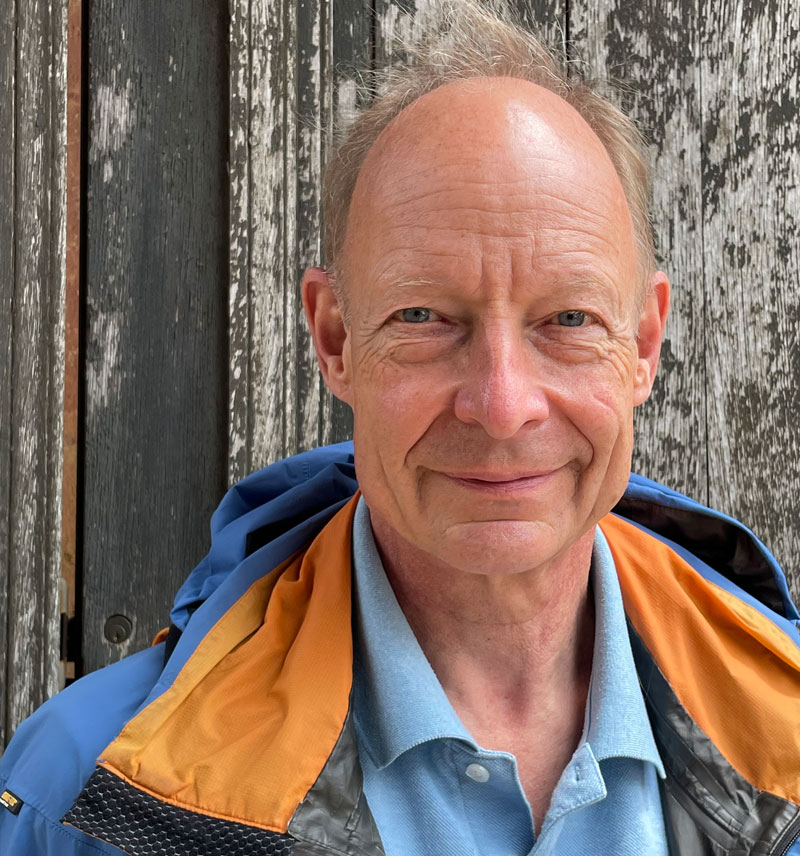
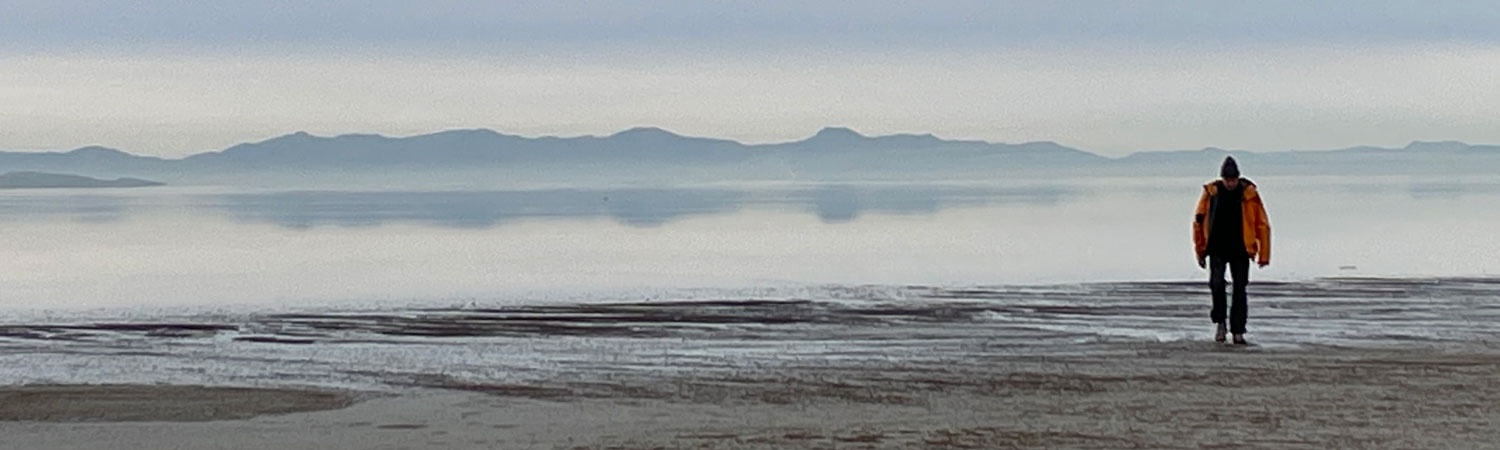
Please join us in congratulating Prof. Pieter Visscher for receiving the Geological Society of America’s 2025 Distinguished Career Award (sponsored by the Geobiology and Geomicrobiology Division).
Pieter is honored for his decade-long involvement in an NSF-sponsored project that has worked with undergraduate students studying microbial sediments in Puerto Rico. Between 2000 and 2011, Pieter brought 68 of these students to Avery Point for a two-week geomicrobiology short course. None of these first-generation college students had visited the continental US before. His continued encouragement inspired over 60 students in this program to pursue graduate degrees in the US. He taught this course twice in France, once in Argentina, and once in Chile.
Pieter is further commended for his pioneering Astrobiology work, pursuing the fundamental questions: Where are we coming from, where are we going, and what is our future? His tireless curiosity ultimately led to the establishment of NASA’s Astrobiology Institute (NAI) in 1998; the product of a four-decade-long collaboration with scholars, scientists, and engineers from around the country.
We asked Pieter to name a key paper from the many published in his career - he chose his 2020 study of arsenotrophic microbial mats that allow inferring our past:
Visscher P.T., K.L. Gallagher, A. Bouton, M.E. Farias, D. Kurth, B.P. Burns, M.R. Walter, M. Sancho-Tomas, P. Philippot, A. Somogyi, K. Medjoubi, E. Vennin, R. Bourillot, M. Contreras, C. Dupraz. 2020. Modern arsenotrophic microbial mats provide an analogue for life in the anoxic Archean. Nature Communications Earth & Environment 1:24
Citation
by Tracy Frank:
Pieter T. Visscher. Over a distinguished career spanning more than three decades, Dr. Visscher has led advances in our understanding of the complex interactions between microbial communities, biogeochemical cycles, and the formation of sedimentary structures, bridging microbiology and Earth system science. His pioneering studies of microbial mats and stromatolites across a range of settings have illuminated the role of microbes in shaping Earth’s surface environments through time, while his innovative approaches to microbial processes in modern and ancient settings have inspired new directions in research. His atmospheric biosignature studies were instrumental for NASA’s Astrobiology Institute, of which he was a co-founding member. A prolific scholar and respected mentor, Dr. Visscher has authored hundreds of influential publications and trained generations of graduate students who continue to advance the discipline worldwide. His research, collaborations, and leadership have had a transformative impact on geomicrobiology, leaving a legacy that will guide the science for decades to come.
Reply
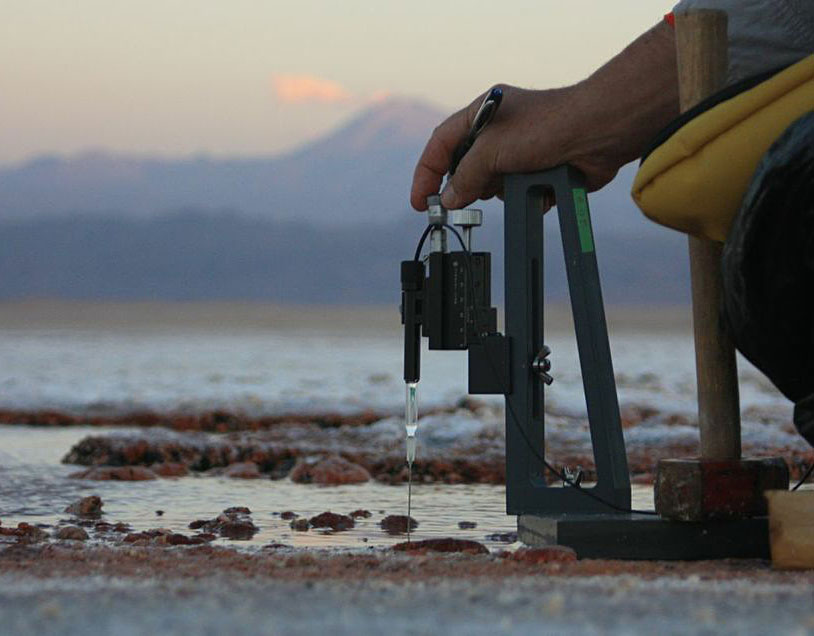
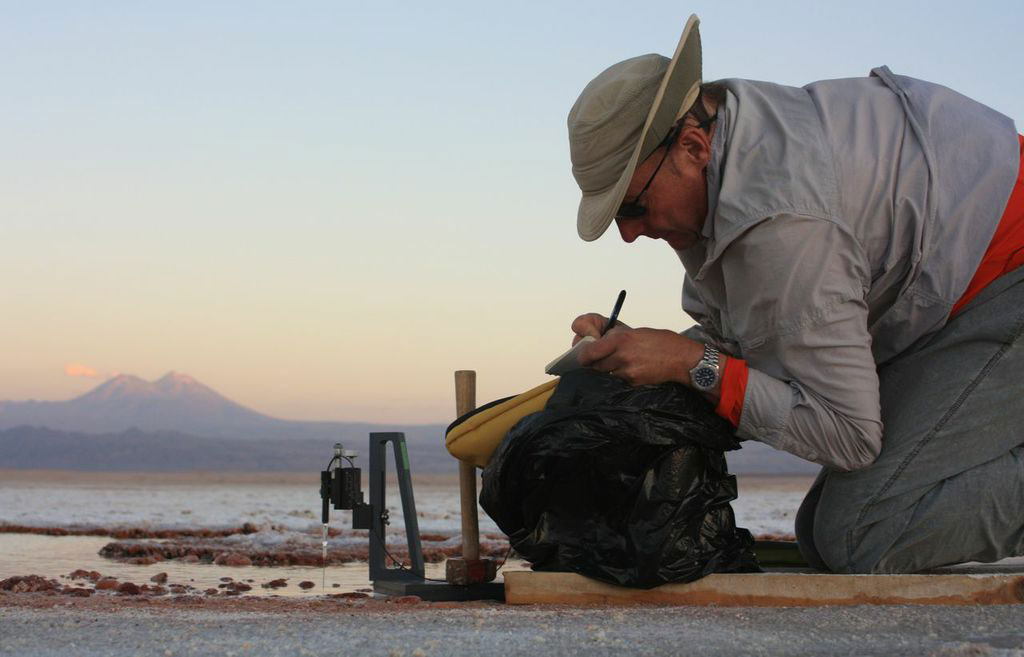
Pieter: Thank you, Tracy, for your kind citation. I am honored to receive this recognition, which has been previously awarded to geochemists, paleontologists, sedimentologists, and geobiologists for whom I have great respect.
As many know, the term geobiology was coined by Lourens G.M. Baas Becking, but not in his monograph “Geobiologie”, published in 1934, but in his inaugural lecture at the University of Leiden on January 28, 1931, entitled “Gaia of leven en aarde”. In this lecture, Baas Becking observed a then recent change in natural and physical scientific research that for the first time were deployed jointly to understand our planet. Furthermore, he expanded his observation that chemistry, biology, and geology did not just apply to the understanding of our planet Earth but provided the foundation for understanding the universe, which he argued was fueled by cyclic events - notably chemical element cycles, but also (micro)biological metabolisms, and physical phenomena, the mutual impact of which was captured in geological time and space. In a way, this laid the groundwork for what, 65 years later, became a motivation for NASA’s Pale Blue Dot II meeting that, in turn, started Astrobiology. Baas Becking viewed geobiology as a Copernican-based science, in other words, perceived not from an anthropocentric, Earth-centric viewpoint, but from a geocentric one. What really matters is that geo(micro)biology is a transdisciplinary science, not just a multidisciplinary one. The answer to “big questions” in this discipline is best solved by first assessing which disciplinary tools are needed, not just by combining disciplinary views that address the question. Despite incredible advances in methodologies in the last four decades, each approach has its limitations. This is critical to remember.
My educational background is based on a combination of organic chemistry and the Delft School of Microbiology – that, in addition to Baas Backing, also included Beijerinck, Kluyver, and van Niel. In addition to having a great mentor, Hans van Gemerden, who combined detailed observations and measurements in the field with meaningful ecophysiological laboratory experiments, I have had the good fortune to meet many scientists who have shaped our discipline as we know it today. The list is quite exhaustive, but I would like to mention a handful of them here briefly, some unsung heroes in geomicrobiology, in chronological order.
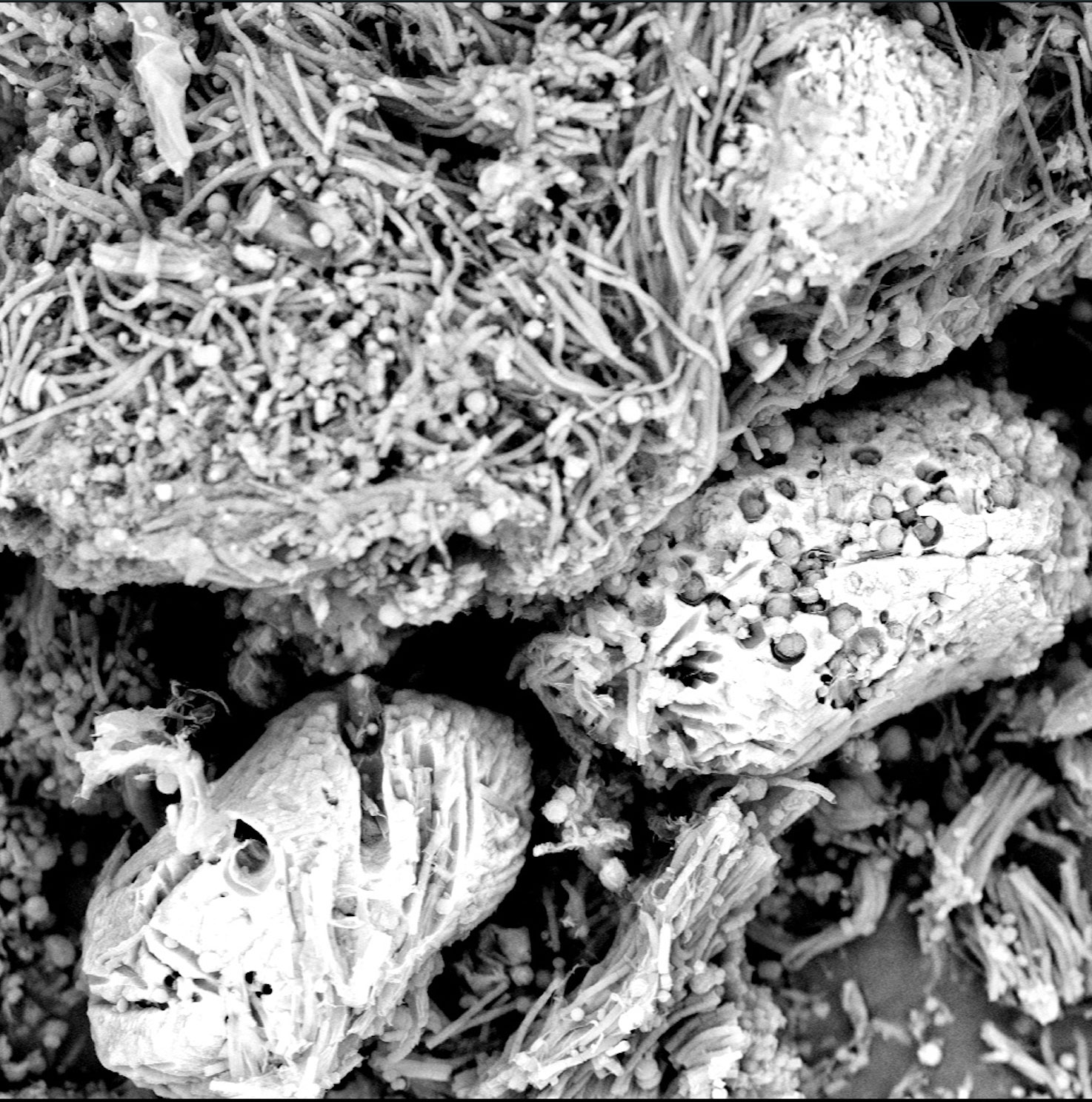
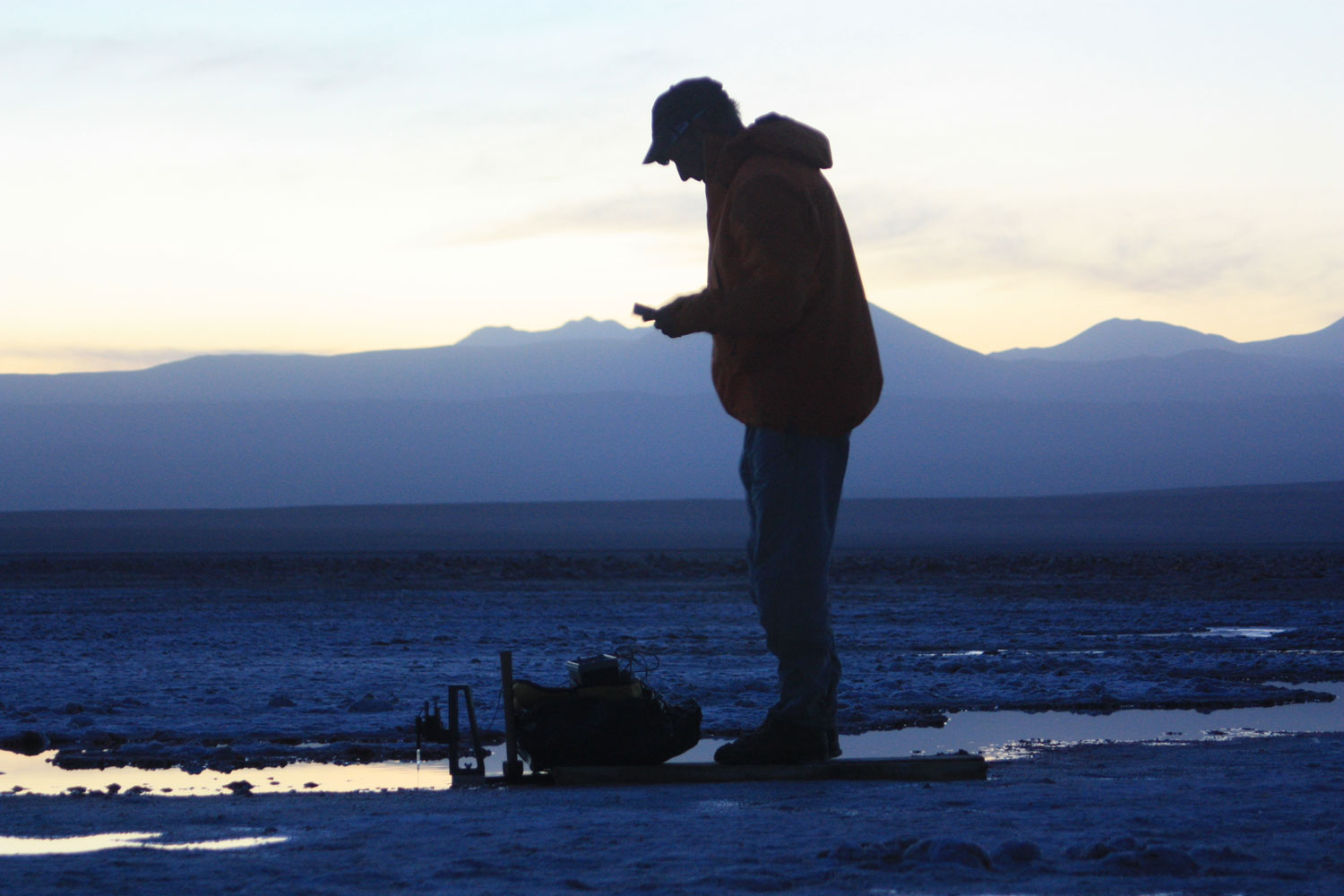
Wolfgang Krumbein was instrumental during my PhD work on sulfur cycling at the University of Groningen. After a long 24 hours of fieldwork, being in a group that was the first to use microelectrodes in the field during diel cycles, a very tedious process at the time, he would sit me down in his cigar-smoke-filled office and question me about everything I had observed and was planning to do as follow-up. Early in my grad student years, he sent me a box with well over a hundred of his reprints. Using geology and microbiology, his strong belief that the laminae in stromatolites are the same as those in microbial mats may be wrong, but it nevertheless challenged our thinking and steered us in the right direction to better understand the role of microbes on early Earth and throughout geologic time. Spending three weeks with Dick Castenholz and Bev Pierson in Yellowstone was a life-changing event. The vast diversity of environments in a relatively small area was an eye-opener. Likewise, several long discussions, both in the field and during elegant home-cooked meals with Malcolm Walter, have contributed much to advancing my work. Lynn Margulis, who, by the way, together with James Lovelock reintroduced the term Gaia in 1974, 43 years after Baas Becking, Ed Leadbetter, Ron Oremland, Jack Farmer, and Dave DesMarais were all instrumental as post-doc and early career mentors. Generous scientists who gave selfless advice and listened. I learned a lot from them and expanded my scientific and interpersonal horizons. It takes a village….
I would like to thank the people who are keeping our field alive: the leaders of the professional societies, notably the Division of Geobiology and Geomicrobiology of Geological Society of America, the reviewers of our proposals and manuscripts, the program directors at funding agencies, the educators, who sparked the interest in students who then come as graduate assistants or post-docs to our labs, and all those students and colleagues with whom I had many fruitful/stimulating discussions and rewarding collaborations. I am excited about the direction in which our field is moving, and hope that we jointly continue to combine the many subdisciplines that make up geo(micro)biology in a meaningful way to unlock the secrets that our field holds in shaping our planet and the many worlds beyond.
Avery Point Spotlight: Jeff Godfrey
Posted on by Hannes Baumann
By: Anne L. Gilewski
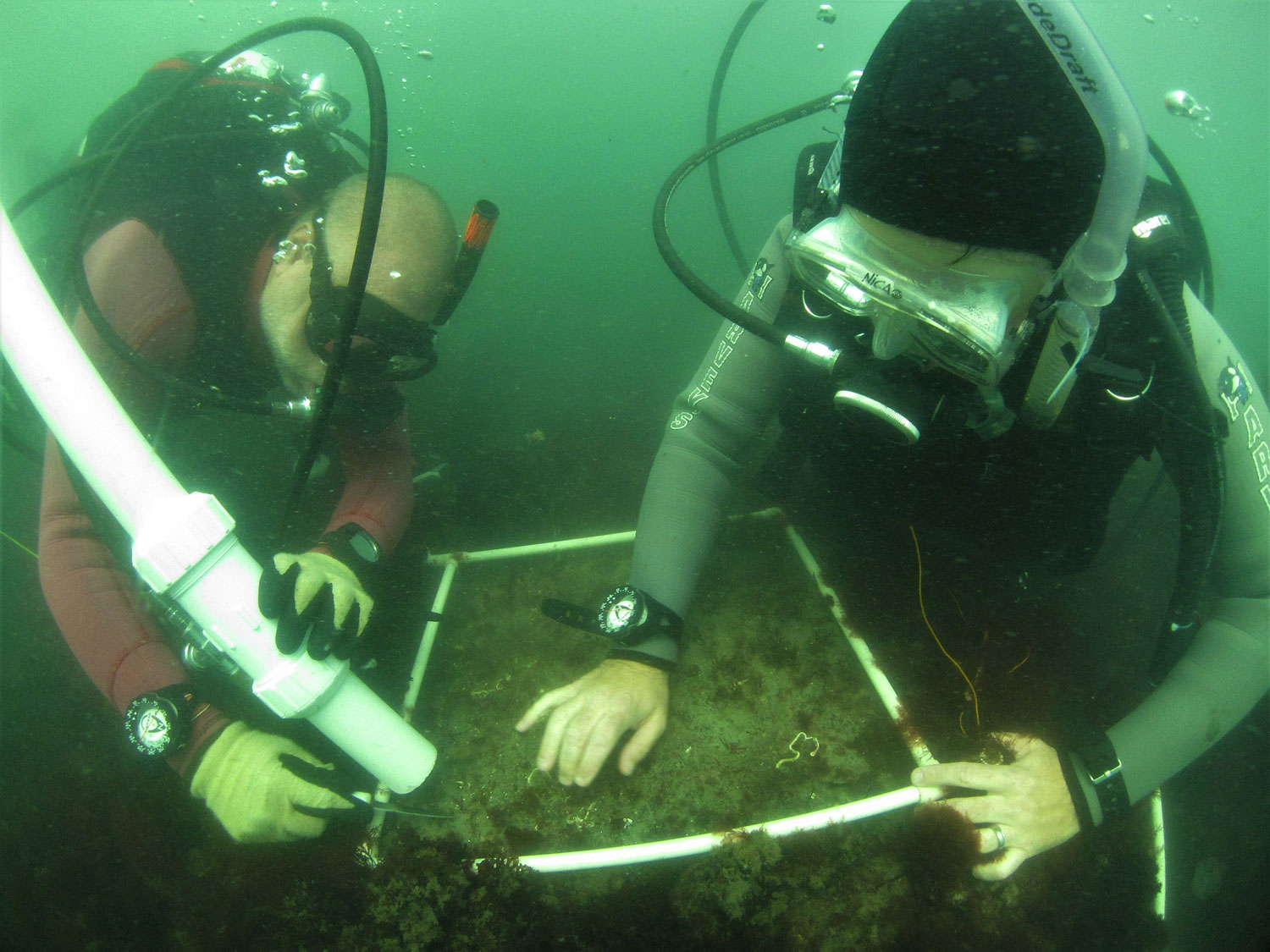
Officially, Jeff is an Academic Assistant at UConn's Marine Sciences Department, but if you’ve ever been lucky enough to interact with Jeff, you know he’s far more than that. Over his 26-year career directing dive operations, Jeff standardized a formal curriculum that includes course work for Open Water Dive and Scientific Diving training and certification. He also maintained all facilities and equipment, approved dive plans, and has been part of countless research projects that require dive operations.
Every superhero has an origin story, so we asked Jeff to share his!
Growing up in Utah, Jeff had three dream jobs in his mind: paleontologist, astronaut, or diver. After watching cartoons, Jeff would switch over to Sea Hunt, a 1958 program about the adventures of an ex-Navy frogman, starring a very handsome Lloyd Bridges. After that was The Undersea World of Jacques Cousteau, a series that often served as inspiration for future marine biologists—including Jeff.
Despite living in a landlocked state, diving found Jeff. During his senior year in high school, when he wasn’t racing motorcycles and boating, Jeff took a diving certification course after school class—a move he says was a good way to get out of chores. Though the impetus may have been to avoid milking the cows, that course set the stage for a lifelong passion.
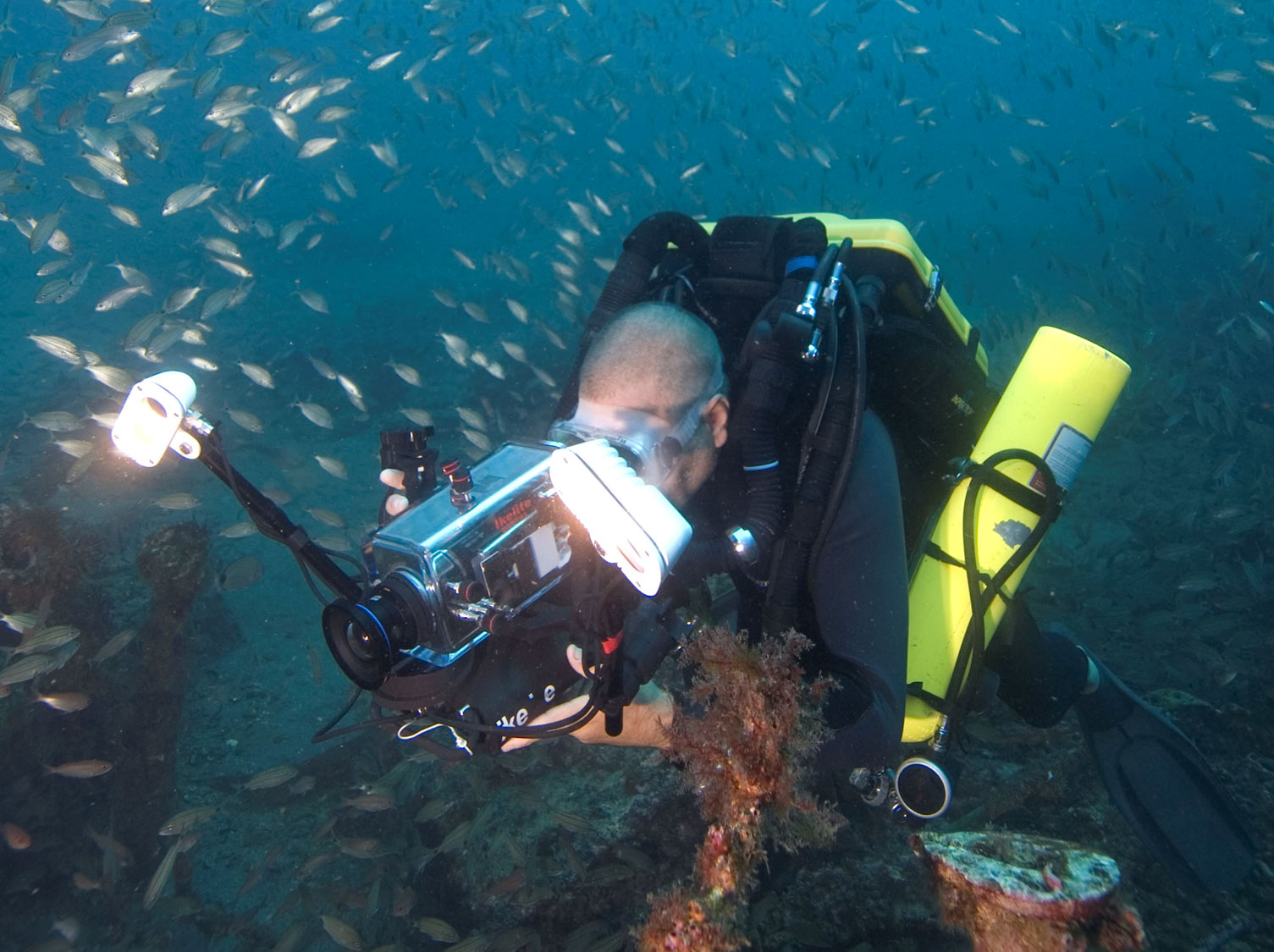
Jeff set out to build up a collection of certifications, started snorkeling, free diving, and collecting daphnia and salamanders for local aquarium stores. At 24, he earned his Dive Instructor certification. In 1987, while earning his bachelor’s degree in Applied Biology from Utah State University, Jeff joined the Utah Fish & Wildlife Cooperative Research Unit as a Field Tech and Research Diver. Being a field diver is most decidedly not a desk job. A typical day might be ice diving in the Flaming Gorge reservoir, or monitoring trout habitat in the Green River, maybe even donning 90 extra pounds to face the white water of the Green River!
After graduation, Jeff accepted a position at the Marine Resources Development Center Underwater Foundation’s MarineLab program in Key Largo, FL. Jeff taught Marine Ecology to students of all ages, conducting lectures on seagrasses, marine algae, mangroves, coral reefs, astronomy, and marine invertebrates—to name a few. A chance phone call from Avery Point librarian Jan Heckman about an open Dive Safety Office position in a small Connecticut town piqued his interest. In 1999, Jeff and his family moved north, and the rest is history. (Thank you, Jan!)
Amongst all the diving Jeff had done, we had to know: What was the most memorable? (Spoiler alert! It was hard to choose).
“Blue water diving in Antarctica. To see that environment—icebergs, Deception, Palmer Station”, Australia, Hong Kong, China, American Samoa, and everywhere in the United States.” Jeff also had the opportunity to dive the USS Monitor and take part in a National Geographic survey in the Bahamas—diving to 430 feet!
We asked Jeff what it takes to be a DSO at a university. Here’s his advice:
DSOs facilitate dive operations to be done safely and efficiently. Jeff strongly believes in looking at universities that have a well-developed program. A STEM degree, with coursework in physics, chemistry, and biology, is a critical piece. A research DSO needs to have a solid science background to effectively communicate with investigators—graduate degrees are not uncommon in this field. Most importantly, spend a lot of time in the water. Diving is a tool; for a diver to be useful, they need to have extensive experience in a variety of conditions.
Any final thoughts?
Jeff is grateful to UConn for supporting his endeavors to increase technology for scientific diving here at Avery Point. His hope for the future? UConn continues to push students to take advantage of these advanced technologies in their academic pursuits.
Thank you, Jeff, for 26 years of service. We wish you the best in your retirement!
Seaweed self defense!
Posted on by Hannes Baumann
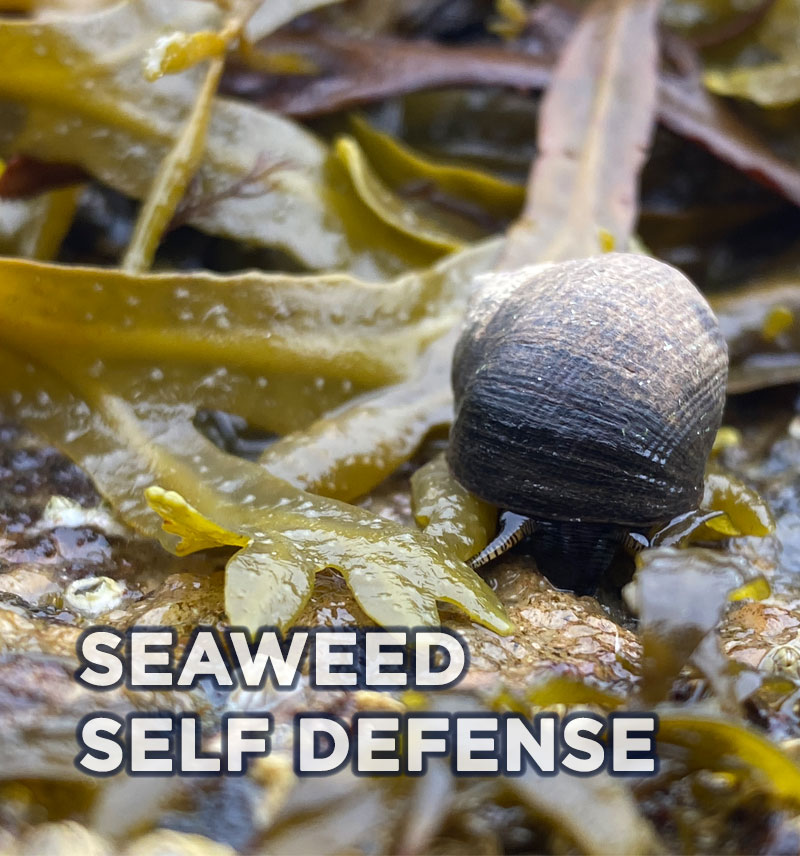
Did you know that seaweed practices self-defense? A new paper from the Matassa Lab led by recent PhD graduate Sean Ryan on seaweed defense plasticity has been published in Functional Ecology. They investigated how a species of seaweed (Fucus vesiculosus) defends itself from herbivorous snails (Littorina littorea) along its latitudinal range in the coastal northeast USA.
Check out the plain language summary of the article here:
Ryan, S. and Matassa, C.M. (2025) Latitudinal variation in the constitutive and inducible defences of a canopy-forming rocky intertidal seaweed. Function Ecology 39:3718–3731.
New seafloor lander tested and in action
Posted on by Hannes Baumann
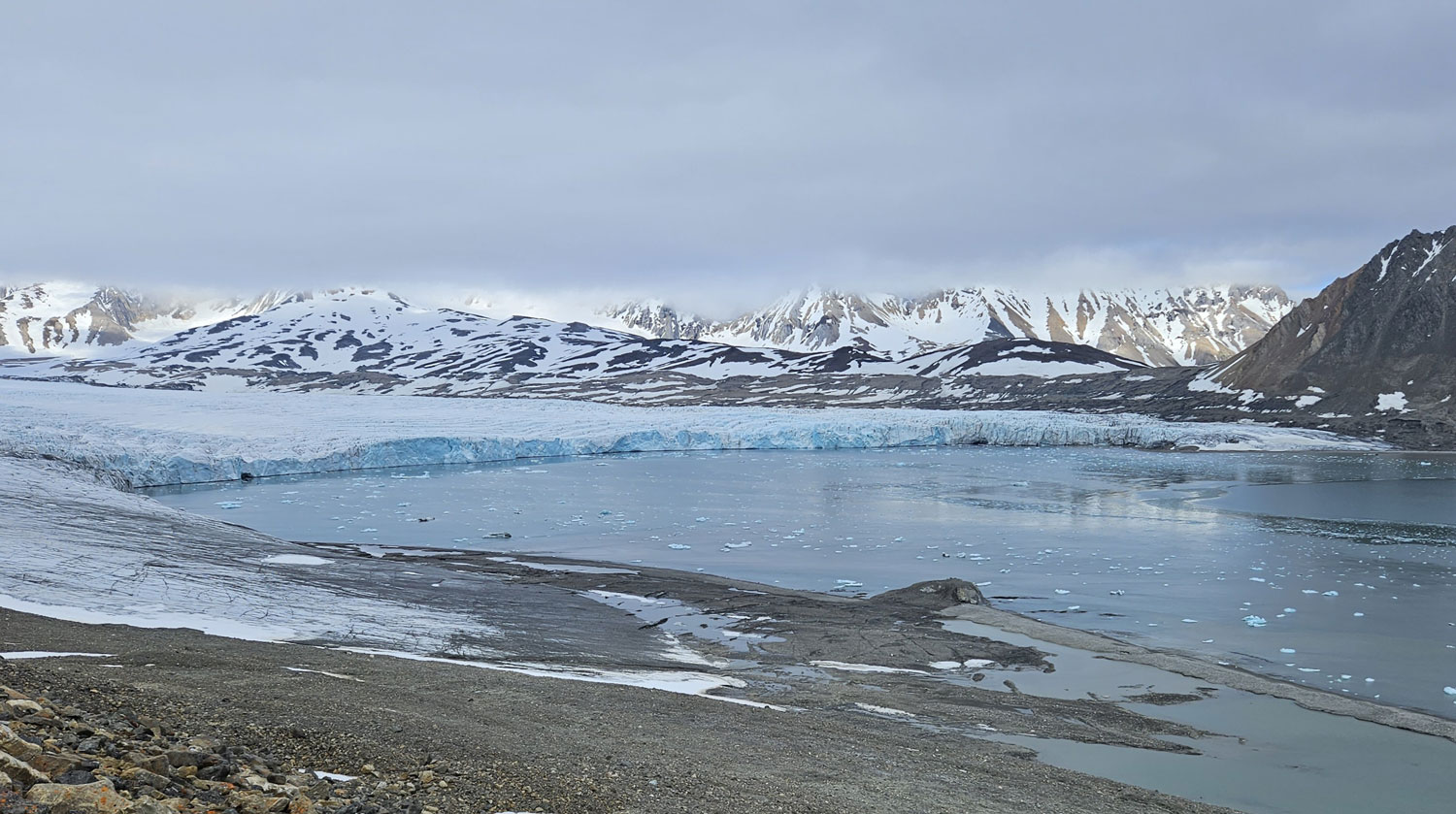
By Elizabeth Weidner.
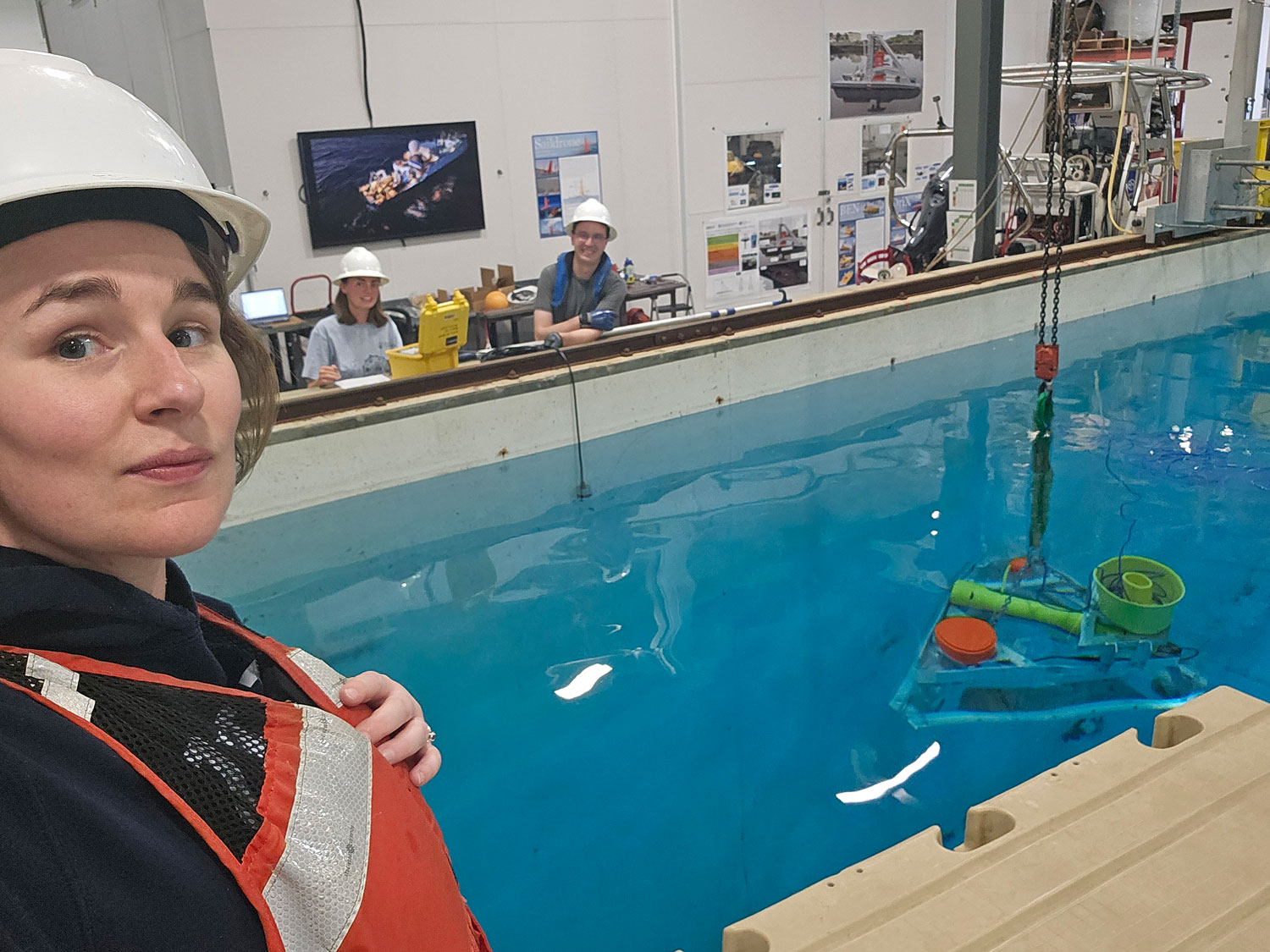
Over the past year, the Broadband Acoustics Lab, led by DMS Assistant Professor Elizabeth Weidner, designed and built a new kind of seafloor lander to investigate how melting glaciers are transforming the coastal Arctic ocean.
The custom-built instrument houses several advanced sonar systems that use sound to observe processes that are otherwise difficult to capture in remote, ice-covered environments.
The lander was developed, assembled, and tested at the University of Connecticut, in close collaboration with Professor Tom Blanford from the University of New Hampshire. A new DMS graduate student, Cloé Mueller, who joined the lab in the fall, played a key role in system testing and preparation.
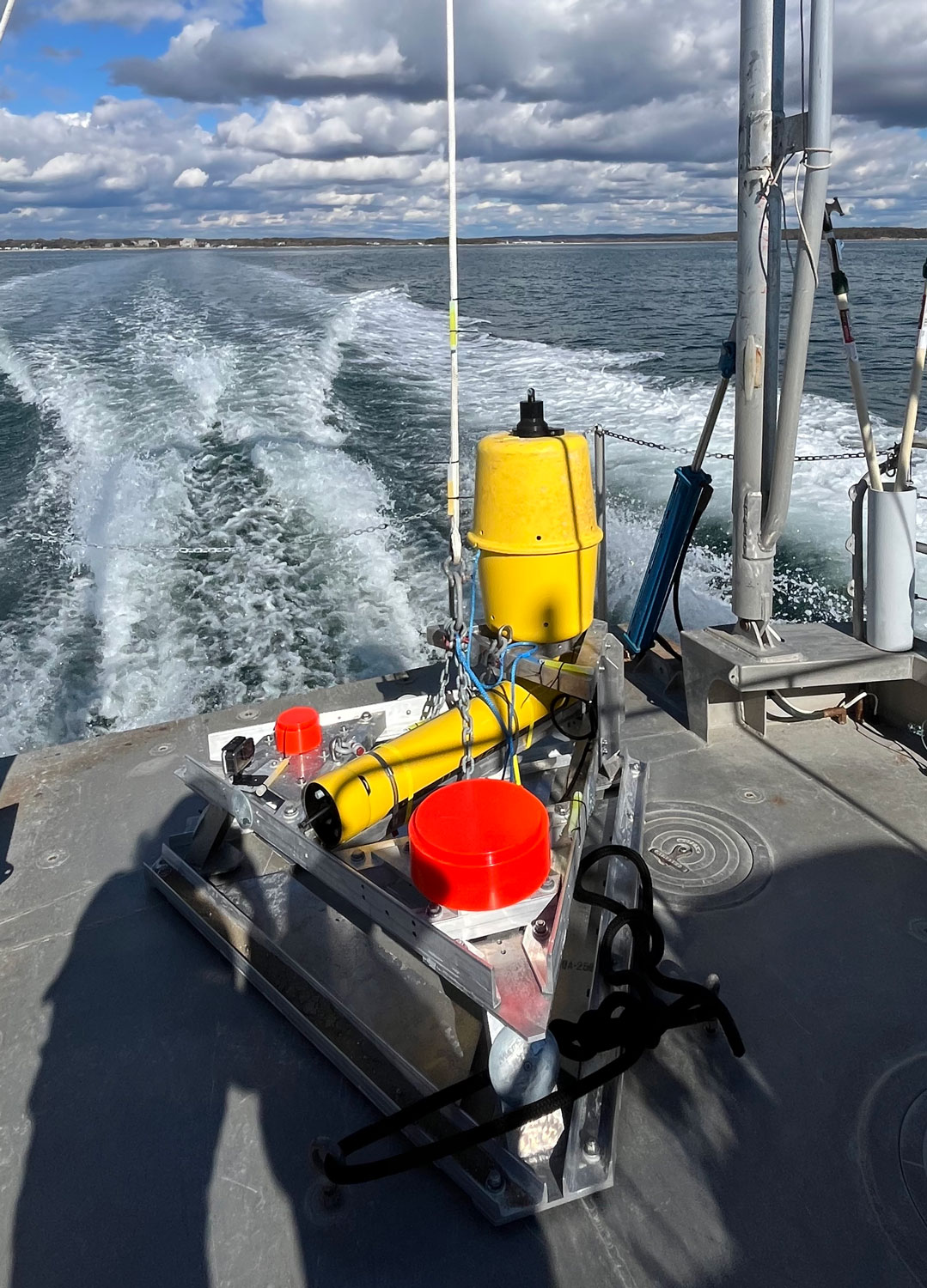
The lander will be deployed this summer in Svalbard near a marine-terminating glacier, where it will collect long-term acoustic measurements. These data will help the Broadband Acoustics Lab better understand how melting glaciers influence ocean structure, underwater sound propagation, and the rapidly changing Arctic environment.
Travels to the Other Side of the World
Posted on by Hannes Baumann
By Eva Scrivner
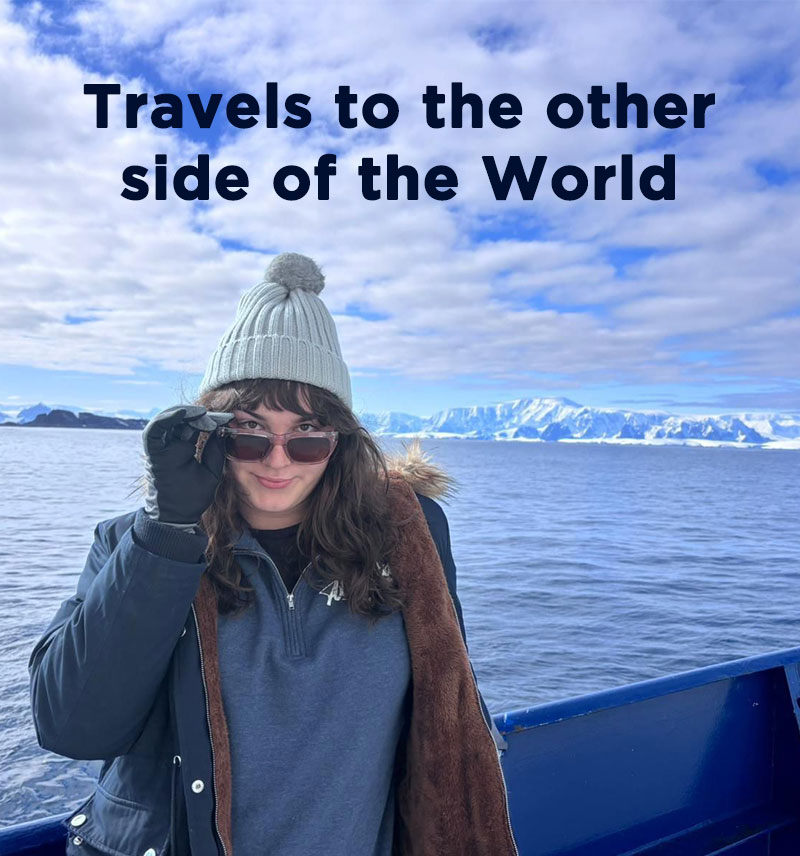
Most folks spend the holidays relaxing in front of a warm fire under an even warmer blanket. Graduate student Eva Scrivner (Heidi Dierssen Lab), however, will have an entirely different set of plans for the winter break: heading to the Palmer Station LTER in Antarctica. Naturally, we had one big question:
WHYYYYY?
From a scientific perspective, this region is very important: connecting major ocean basins, deep water formation, and ventilation of deep water and linking the ocean conveyor belt. Lots of biology can be found here. Increased phytoplankton populations fuels rich food web for megafauna like penguins and whales. The Southern Ocean is also an important source and sink for atmospheric carbon.
We will be joining the Palmer Station LTER team to help continue routine research and take optical measurements to characterize the unique coastal Antarctic waters. These waters are often much bluer for a given chlorophyll concentration than that of the global ocean, causing traditional satellite approaches to perform poorly in this region. Through our measurements, we aim to understand the underlying optics within these blue waters and refine satellite retrievals accordingly.
Field trips are extremely hard to plan! Three different vessels, funding issues, shifting dates were all complicating factors in planning the 8-week trip. As the representative from the Dierssen lab, I will be joining the phytoplankton biology group, with my particular specialty being the optical instrumentation.
Life at the bottom of the world means really long days with the sun low on the horizon. This can mess with natural Circadian rhythms, which we fight with creating spaces with as much darkness as possible. Even before I travel to this region, because it is mentally and physically taxing, I had to undergo a rigorous health check. You are down there with limited medical resources (although some emergency care), so you have to be pretty tough.
In my free time, I’ll have a Switch 2 for video games. I’ll also be downloading lots of papers and books! I also got some great advice to bring treats for yourself: little pick-me-ups or stuff to remind you of home. I’ll also have a family chat channel where I can keep them up to date!
My advice for students is to be open-minded, take a risk, and introduce yourself to a lab that does research that resonates with you. Satellite imagery really resonated with me after learning about it from a career opportunity class, which set the course to where I am today!
Follow Eva and the Dierssen lab at:
@colorslab @linkedIn/in/eva-scrivner
Alumni profile – Tyler Griffin
Posted on by Hannes Baumann
Anne: Why did the topic of microbial biology of mussels interest you?
Tyler: My dissertation investigated the bacterial communities associated with blue mussels and ribbed mussels (i.e., their microbiomes). Among the various chapters, I was elucidating the microbial community structure of their guts and feces under natural conditions and in response to anthropogenic disturbances. One of my core findings was that the mussel’s gut microbiome should really be considered as two separate groups of microbes: the resident group that lives full-time in the digestive tract (and may interact more intimately with the animal) and the transient community, which is more diverse and consists of ingested microbes that either get digested in the gut or pass right through with feces.
Going into graduate school I knew I was passionate about marine invertebrates and fascinated by microbial symbioses. Mussels make an excellent study species for this type of research because they are easy to collect in Long Island Sound, hardy and amenable to durations in the laboratory for experiments, and important members of coastal ecosystems. Bivalve molluscs are so interesting because their anatomy differs greatly from the typical vertebrate anatomy (e.g., different than us humans). Much is being learned about the human microbiome and its role in health and disease, but all animals with a gut might also interact significantly with digestive microbiota. Perhaps the anatomical, ecological, and evolutionary differences between vertebrates and invertebrates like mussels have led to significant differences in relationships with microbiota. These possibilities keep me committed to this research. To have a fuller understanding of animal biology and the marine environment as a whole, we need to better refine our understanding of invertebrate animals as ecosystems for microorganisms and better evaluate the relationships that take place between microscopic and macroscopic organisms. Long story short: mussels are cool little aliens and I wanted to investigate an aspect of their biology that was previously understudied (and that modern technologies allow us to examine in fine detail).
Anne: What inspired you to complete a doctoral degree?
Tyler: I had the opportunity to engage in collaborative research with faculty members when I was doing my undergraduate studies. I loved the research experience, mostly the excitement about discovering something about the natural world that no one had ever known. I was hungry to make a career out of research, so graduate school was the logical next step. During my first year in the Oceanography PhD program at UConn, I was a TA for Introduction to Oceanography lab. The experience was challenging but incredibly rewarding, and it opened my eyes to the possibility of combining teaching and research into a career as a college professor. My mom has a doctoral degree in education and worked for many years as a college professor, and it suddenly made sense what my path should be. So, it all kind of clicked into place for me and the goal became to complete the PhD and seek out a job as a faculty member at a primarily undergraduate institution.
Anne: What challenges did you have along the way?
Tyler: COVID definitely posed some significant challenges. I had to postpone experiments and pivot on some projects during those months where we couldn’t go into the Lowell Weicker Building. COVID hit at a point in my graduate career when I still needed to take my general exam part B (PhD students in the Ward lab take a written part B exam). So I decided to make the most of the time I couldn’t make progress on research and study hard for the part B. It wasn’t exactly a fun experience, but at least I was productive and became well-prepared for the exam.
In the early months of my graduate career, when I was still formulating what my specific dissertation would be, there were several moments when I felt overwhelmed, lost, and out of my league. In retrospect, this is understandable and natural for a first-year graduate student straight out of an undergraduate program. What got me out of that rut and back on the path toward confident progress was the community of fellow graduate students in the department and my advisor, Dr. Ward. The Marine Sciences Dept. is full of outstanding people, leaning on their kindness and wisdom is a huge advantage.
Anne: What has life been like post-graduation?
Tyler: Life post-graduation has been a whirlwind! Immediately after my dissertation defense I started a postdoc job at Bowdoin College in Maine where my role was primarily teaching undergraduate biology courses. Then after the academic year I took the summer off to get married (yay!), went on my honeymoon, and moved back to CT. This Fall I started my new job as a tenure-track assistant professor of Biology at Fairfield University. I can confidently say my teaching experiences in the Marine Sciences Dept. during my graduate career were a huge factor in me getting both my postdoc fellowship and current professorship. During the application/interview processes, the potential employers saw that my robust TA experience coupled with my role as an instructor of record meant that I was serious about honing my skills as an educator.
Anne: I am an undergrad in Marine Sciences. What advice might you have for a student considering a graduate degree?
Tyler: The truth is that graduate school isn’t for everyone. I think the best way to approach the decision whether to go to graduate school is best framed through a career-lens. Does the job/career you truly want require a graduate degree? If yes, then that’s a reason to do graduate school. If the answer is no or “I don’t know”, then I might recommend cautious reevaluation. That’s especially true for a PhD program where you might spend 5+ years of your life. You don’t have to start graduate school right away, sometimes six months, a year, or two years of real-world experience can clarify the career question posed above.
Graduate school is partly like an undergraduate program in that there is a considerable amount of coursework. But there is also a research component. There may also be TA responsibilities. In general, your life and path to graduation is much less prescribed for you as a graduate student. It helps to be self-motivating, organized, and punctual in addition to being curious and a diligent worker. Another under-looked part of being a graduate student is the human element. Is the potential graduate program in a physical location where you’d enjoy living? Would you have a support network available to you? Does the school offer graduate students health insurance? Are the stipends enough to live on? These are all questions just as important as ones about curricula or research/advisor fit. Burnout is real and graduate students need to be experienced in self-care. It’s a lot to juggle!
Anne: What was a particularly memorable moment of your graduate program?
Tyler: There are too many memorable moments to name! I was in the graduate program for a long time (seven years!), and there were so many seminal experiences that influenced my development personally and professionally. Celebrating with my peers and lab members after passing the general exam… Spilling seawater that I was trying to pour from a graduated cylinder all over the lab bench because I had been working for 34 straight days, and laughing uncontrollably because laughing was better than crying… Early morning and late night fieldwork in beautiful locations… Leaving at 4 pm for impromptu happy hours with my office mates… Getting notified that my first manuscript had been accepted for publication… Overcoming my nerves about public speaking to stand in front of an audience to teach or present research for the first time… Watching my first undergraduate mentee overcome her nerves and give an incredible research presentation…. Shaking hands with Dr. Ward and my committee members as they told me I passed my dissertation defense… Truly becoming an expert in something, learning how to learn, and forging relationships and friendships that will last a lifetime.
Spring 2025 Departmental Achievements
Posted on by Hannes Baumann
Awards:
Professor Senjie Lin
Prof. Lin received the Darbaker Prize from the Botanical Society of America, honoring his research to better understand the biology of two distinct groups of marine phytoplankton (diatoms and dinoflagellates) that play a major role in global nutrient cycling and phytoplankton community dynamics.
PhD candidate Hannah Collins
Hannah received the World Aquaculture Society Student Spotlight award recognizing the best abstracts submitted by student to the Aquaculture 2025 meeting.
PhD candidate Halle Berger
Halle Berger received the Best Student Poster Award at the 2025 winter science meeting of the Southern New England Chapter of the American Fisheries Society. The poster was about Halle's research on modeling the effects of ocean acidification and warming on Atlantic sea scallop growth to inform adaptive fisheries management.
Grants:
Professors Cara Manning, Leonel Romero, Samantha Siedlecki
Profs Manning, Romero, and Siedlecki have received a $499,570 grant from the Long Island Sound Study Research Grant Program to investigate the drivers of oxygen depletion (hypoxia), and the duration and severity of low-oxygen conditions in western Long Island Sound using a combination of observational and modeling approaches.
Improved Mechanistic Understanding of Hypoxia Drivers in Western Long Island Sound Enabled with Data from a Wire-Following Profiler and Coupled Biogeochemical-Hydrodynamic Modeling
Professor Senjie Lin
Algae are both natural and industrial sources of renewable energy. Collaborating in a Columbia University-led multi-million-dollar project, Prof. Senjie Lin will lead his UConn team and contribute expertise on microalgae to advance the development of algae-based electricity-generating technologies.
ECO-SPARK: Enzymatic Conversion of Organic Carbon into Sustainable Power through Aquatic Reactors and Kinetics, DARPA $1,500,000
Publications:
Prof. Rob Mason
Samples for measuring the concentrations of different forms of mercury in the Pacific Ocean waters were collected on a research expedition from Alaska to Tahiti and analyzed by our research group and those of our collaborators. Former student Yipeng He and Robert Mason participated in the cruise and were involved in the sample analysis.
Starr, L.D., He, Y., Mason, R.P., Hammerschmidt, C.R., Newell, S.E., Lamborg, C.H. 2025. Mercury distribution and speciation along the U.S. GEOTRACES GP15 Pacific Meridional Transect. JGR Oceans 130: Article # 130e2024JC021672.
He, Y., Inman, H., Kadko, D.C., Stephens, M.P, Hammond, D.E., Landing, W.M., Mason, R.P. 2025. Elevated methylmercury in Arctic rain and aerosol linked to air-sea exchange of dimethylmercury
https://doi.org/10.1126/sciadv.adr3805.
Samples were collected on a research expedition in the Bering and Chukchi Seas off Alaska in the atmosphere and in the ocean waters to examine the factors effecting the inputs of various mercury (Hg) compounds to the ocean from the atmosphere and the loss of gaseous forms of Hg to the atmosphere, with a focus on the exchange of methylated Hg forms.
Zhou, C., Liu, M., Mason, R.P., Assavapanuvat, P., Zhang, N.H., Bianchi, T.S., Zhang, Q., Li, X. Sun, R., Chen, J., Wang, Raymond, P.A. 2025. Warming-induced retreat of West Antarctic glaciers weakened carbon sequestration ability but increased mercury enrichment. Nature Communications 16: Article # 1831.
The publication examined how the recent changes in climate is affecting the inputs of mercury (Hg) to the ocean waters off of Antarctica and the relative importance of inputs from the continent versus inputs from the atmosphere, and how these inputs differ for Hg compared to carbon. The study used information from ancient sediments to infer what will likely happen in the future in a changing climate.
Prof. Samantha Siedlecki
Carlson, A. J., Siedlecki, S. A., Granger, J., Veitch, J., Pitcher, G. C., Fearon, G., et al. (2025). Seasonal source water changes and winds contribute to the development of hypoxia in St Helena Bay within the southern Benguela upwelling system. Journal of Geophysical Research: Oceans, 130, e2024JC021702. https://doi.org/10.1029/2024JC021702
This work discusses oxygen dynamics in St. Helena Bay (SHB), a productive area in the southern Benguela Upwelling System off western South Africa severely impacted by low oxygen events through fish mortality events. Specifically, it highlights the seasonal cycle of oxygen, including periods of hypoxia and anoxia, and the role of winds and source water changes in driving these variations.
Professor Hannes Baumann
Mosca, K.C., Savoy, T., R. Benway, J., Ingram, E.C., Schultz, E.T., and Baumann, H. (2025) Age structure and seasonal movement patterns of Atlantic sturgeon aggregating in eastern Long Island Sound and the Connecticut River. Fishery Bulletin 123:127-142
This study combined age analysis and telemetry to show that Atlantic sturgeon of all sizes frequently migrate into upper, freshwater portion of the Connecticut River
Jones, L.F., Schembri, S., Bouchard, C., and Baumann, H. (2025) Molecular identification of larval sand lance (Ammodytes spp.) caught in the Hudson Bay System 2010-2018. Environmental Biology of Fishes 108:305–316
PhD student Lucas Jones used genetics to find out what sand lance species inhabits the Hudson Bay in the Canadian Arctic.
Research Prof. Zofia Baumann
Hansen, G., Shumway, S. E., Mason, R. P., & Baumann, Z. (2025). Mercury distribution with size between the tissues of the northern quahog (= hard clam)(Mercenaria mercenaria). Environmental Pollution, 126287. https://doi.org/10.1016/j.envpol.2025.126287
This study examined the distribution of inorganic mercury (iHg) and methylmercury (MeHg) in the soft tissues of hard clams (quahogs) and found that muscular tissues contained a higher proportion of MeHg, while the viscera and mantle also harbored inorganic Hg.
Graduate student Eva Scrivner
Scrivner, E., Mladenov, N., Biggs, T., Grant, A., Piazza, E., Garcia, S., Lee, C.M., Ade, C., Tufillaro, N., Grötsch, P., Zurita, O., Holt, B., Sousa, D., 2025. Hyperspectral characterization of wastewater in the Tijuana River Estuary using laboratory, field, and EMIT satellite spectroscopy. Science of The Total Environment 981, 179598. https://doi.org/10.1016/j.scitotenv.2025.179598
The research links the chemical composition of effluent wastewater discharge in the Tijuana River Estuary with laboratory, field, and hyperspectral satellite spectroscopy. This work serves to inform real-time water quality monitoring in a heavily polluted coastal urban center.
DMS students help mapping sediments and fauna in Long Island Sound
Posted on by Hannes Baumann
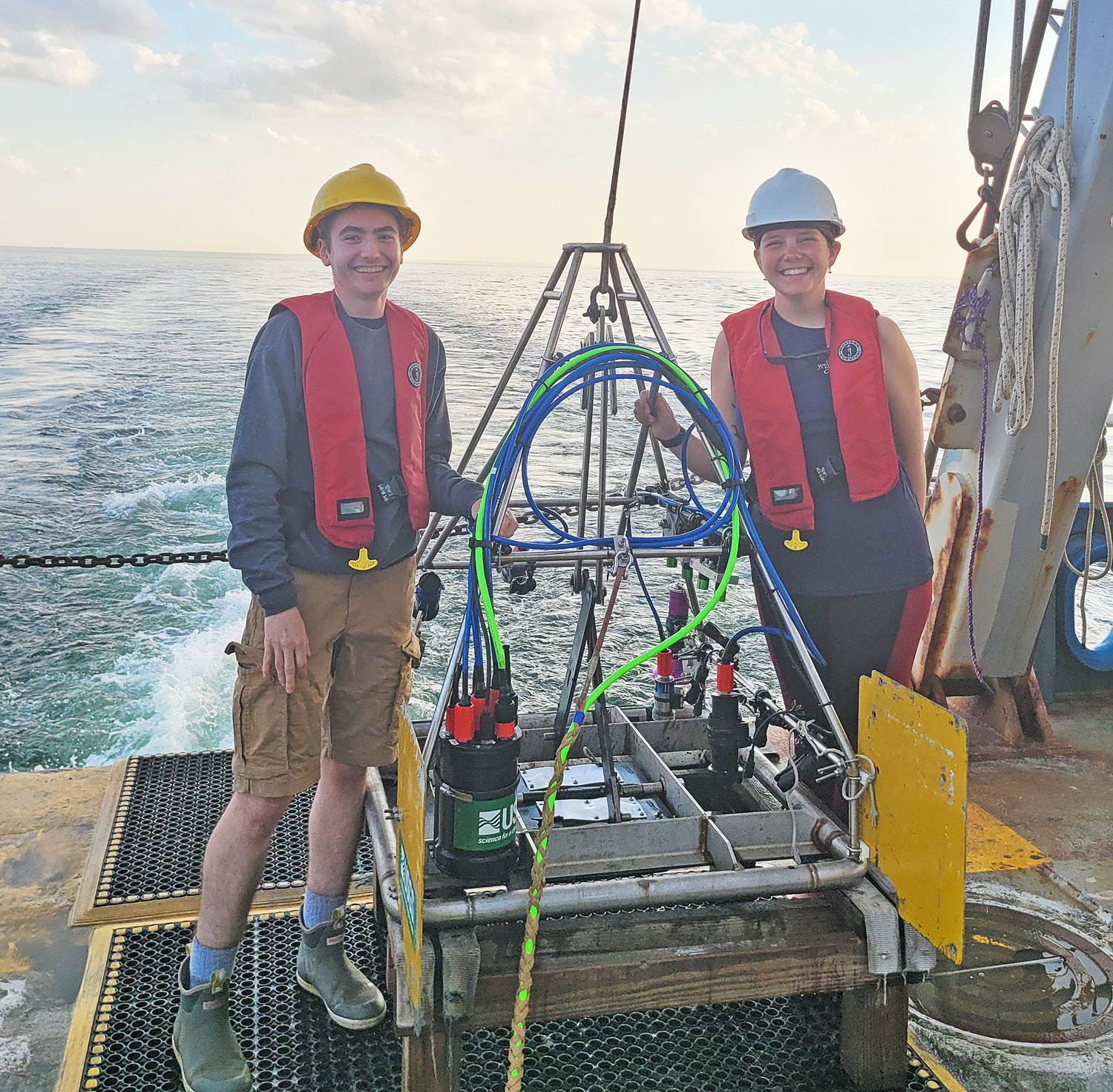
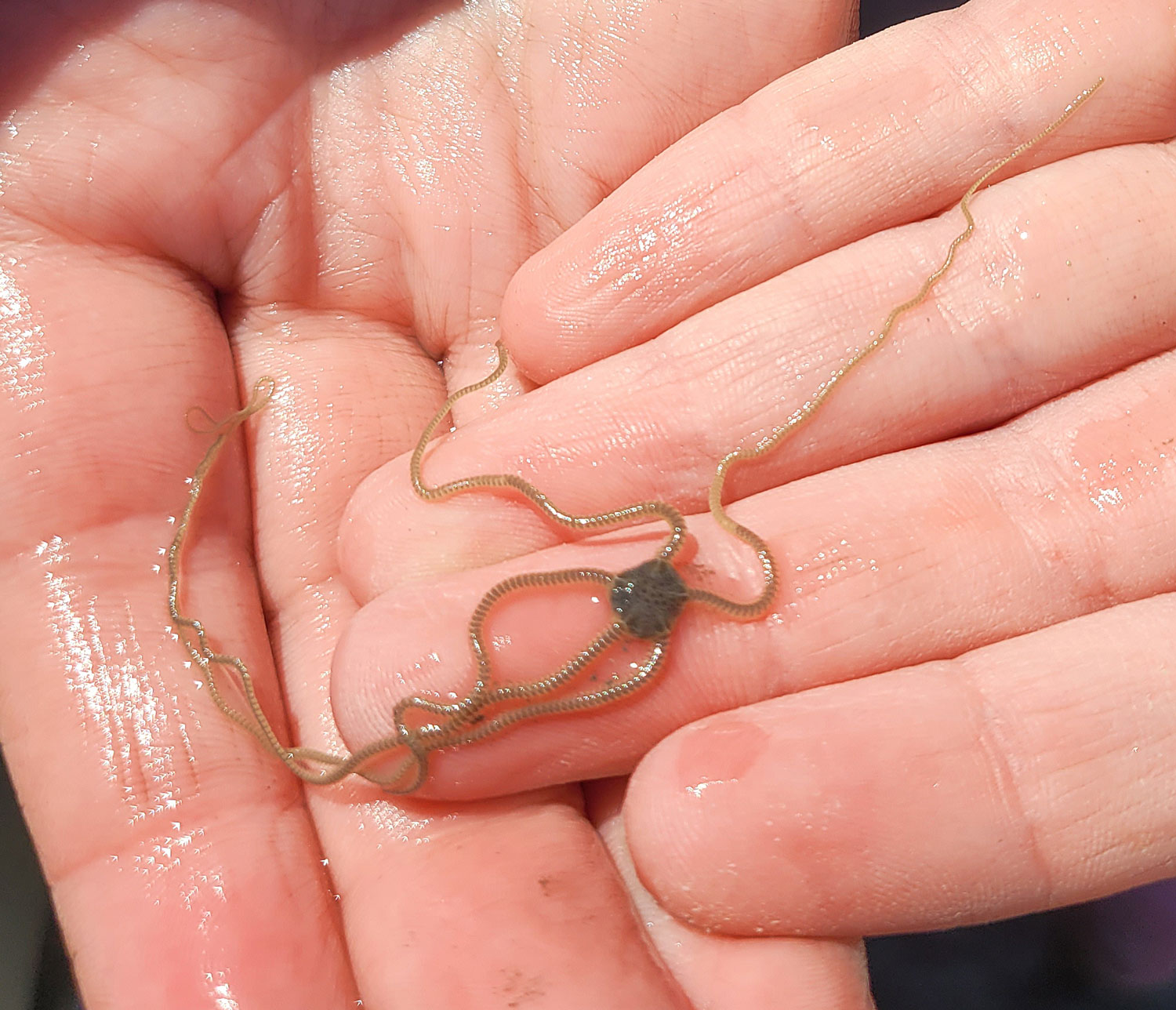
Carlee Dunn and Riley Pena, DMS graduate students in the Matassa Lab, worked alongside researchers from the University of Connecticut, University of New Haven, and US Geological Survey aboard the R/V Connecticut to map benthic habitats in western Long Island Sound. The cruise used USGS’s Seabed Observation and Sampling System (SEABOSS) to capture video and sample seafloor sediments and benthic organisms, such as brittle stars.
The team’s research is part of the Long Island Sound Habitat Mapping Initiative, which aims to characterize the regions seafloor habitats. You can see more of the action on the teams facebook page!